1626 Olympic Hwy North Shelton, WA 98584
Dental Implants And Bone Health: Maintaining A Strong Foundation

Dental Implants And Bone Health: Maintaining A Strong Foundation
Dental implants have transformed the field of dentistry, providing a reliable and long-lasting solution for replacing missing teeth. Unlike traditional dentures or bridges, dental implants are anchored in the jawbone, creating a stable and natural-looking restoration. However, the success of dental implants is closely linked to bone health. In this article, we’ll explore the relationship between dental implants and bone health, and how you can maintain a strong foundation for your implants.
Understanding The Importance of Bone Health
Before diving into the specifics of dental implants, it’s crucial to grasp the significance of good bone health in your jaw:
Support for Teeth:
Your jawbone provides the necessary support for your teeth. A healthy jawbone is essential for maintaining your natural teeth and for supporting dental restorations like implants.
Dental Stability:
Teeth rely on surrounding bone to stay in place. A weakening jawbone can lead to tooth mobility and even tooth loss.
Facial Structure:
The jawbone plays a vital role in defining your facial structure. Bone loss in the jaw can lead to a sunken appearance, premature aging, and changes in your facial aesthetics.
Dental Implants And Bone Health
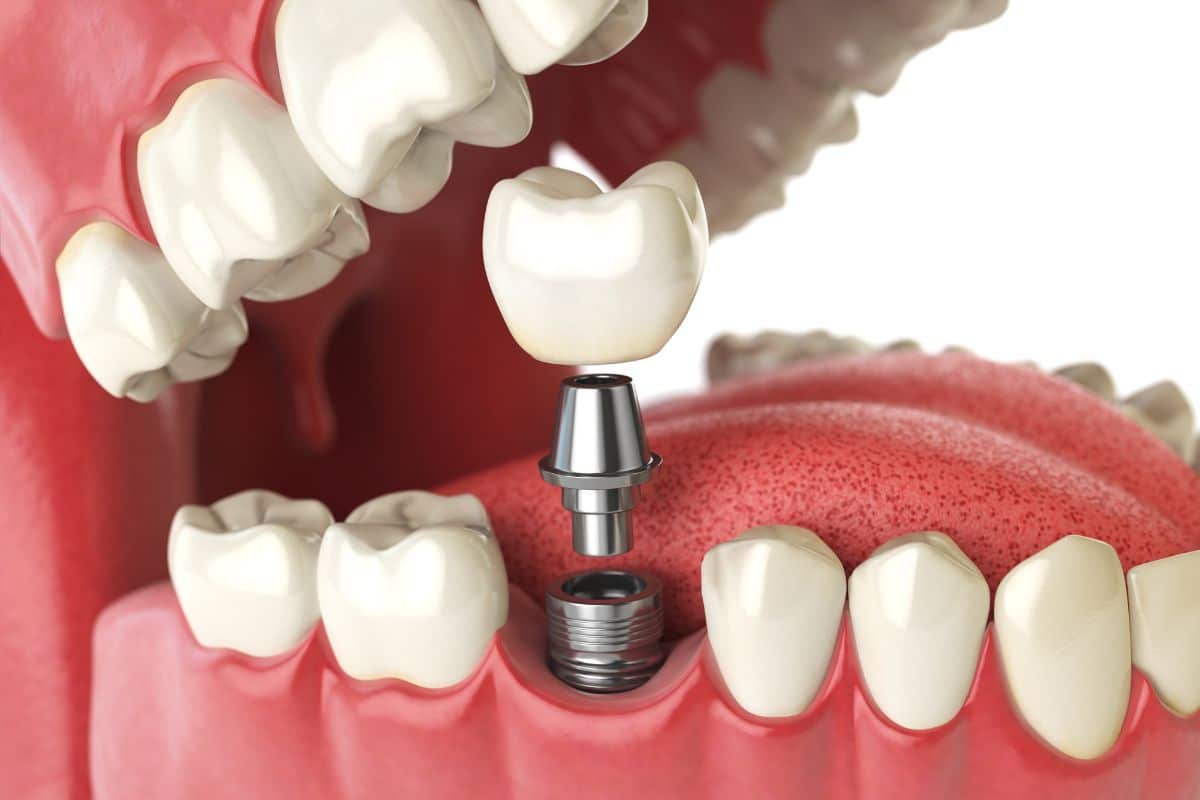
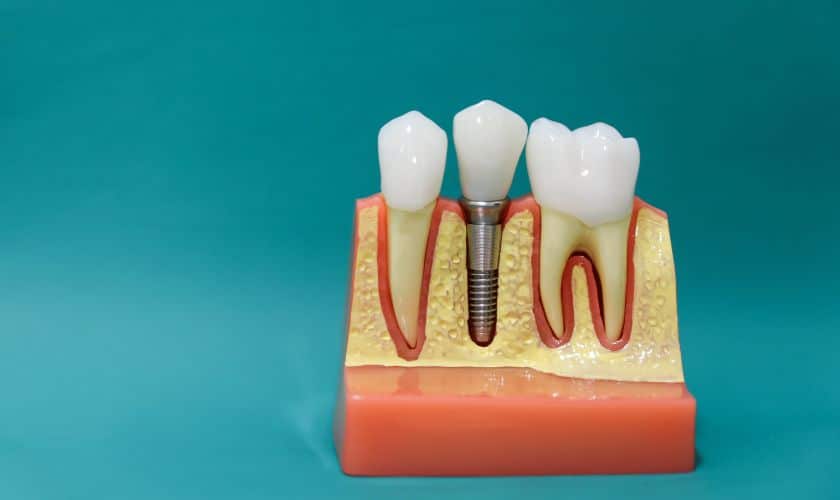
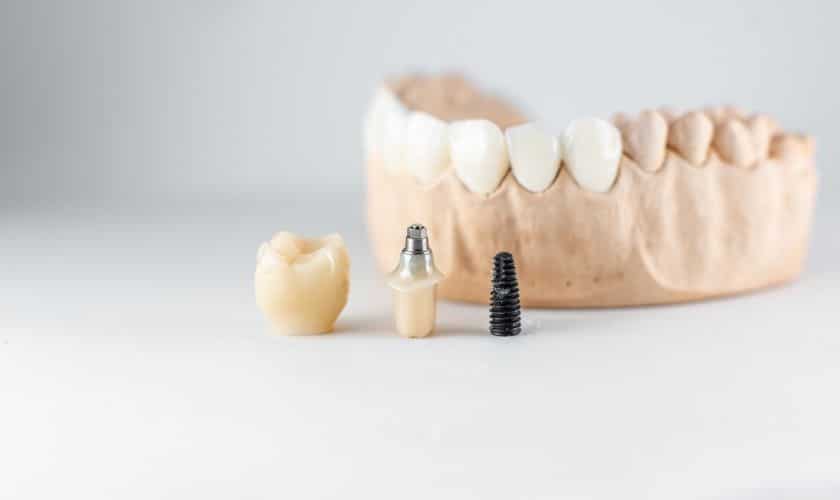
Dental implants are small titanium posts that are surgically placed into the jawbone to serve as artificial tooth roots. Over time, the bone naturally fuses with the implant in a process called osseointegration, creating a stable foundation for the replacement tooth or teeth.
Here’s how dental implants are closely linked to bone health:
Osseointegration:
For dental implants to be successful, the jawbone must be healthy enough to support osseointegration. Weak or deteriorating bone may not provide the necessary stability for implant integration.
Preventing Bone Resorption:
When a tooth is lost, the jawbone in that area can start to resorb or shrink because it no longer receives the stimulation from chewing and biting. Dental implants help prevent this bone resorption by mimicking natural tooth roots and providing the needed stimulation to the jawbone.
Maintaining A Strong Foundation For Dental Implants
Ensuring your jawbone remains healthy and strong is vital for the long-term success of your dental implants. Here are some ways to maintain a strong foundation:
Good Oral Hygiene:
Practicing excellent oral hygiene is crucial for preventing gum disease and other dental issues that can lead to bone loss. Brush and floss regularly and schedule regular dental check-ups and cleanings.
Avoid Smoking and Excessive Alcohol:
Smoking and excessive alcohol consumption can contribute to bone loss. Quitting smoking and moderating alcohol intake can help maintain bone health.
Balanced Diet:
A diet rich in calcium and vitamin D is essential for bone health. Incorporate dairy products, leafy greens, and other calcium-rich foods into your diet. Consult with a healthcare provider for personalized dietary recommendations.
Regular Dental Check-ups:
Regular visits to your dentist allow for early detection and treatment of dental problems that can impact bone health.
Consider Bone Grafting:
In cases of significant bone loss, a bone grafting procedure may be necessary to rebuild the jawbone before implant placement.
Protect Your Teeth:
Wear a mouthguard if you engage in contact sports or grind your teeth at night. These measures can help prevent dental injuries that may lead to bone loss.
The Bottom Line
Dental implants provide a durable and natural-looking solution for missing teeth, but their success is intimately tied to bone health. By maintaining good oral hygiene, adopting a healthy lifestyle, and seeking timely dental care, you can ensure that your jawbone remains strong and provides a solid foundation for your dental implants. A strong foundation not only supports your implants but also contributes to your overall oral health and facial aesthetics.