1626 Olympic Hwy North Shelton, WA 98584
Bone Augmentation for Dental Implants
Bone Augmentation for Dental Implants
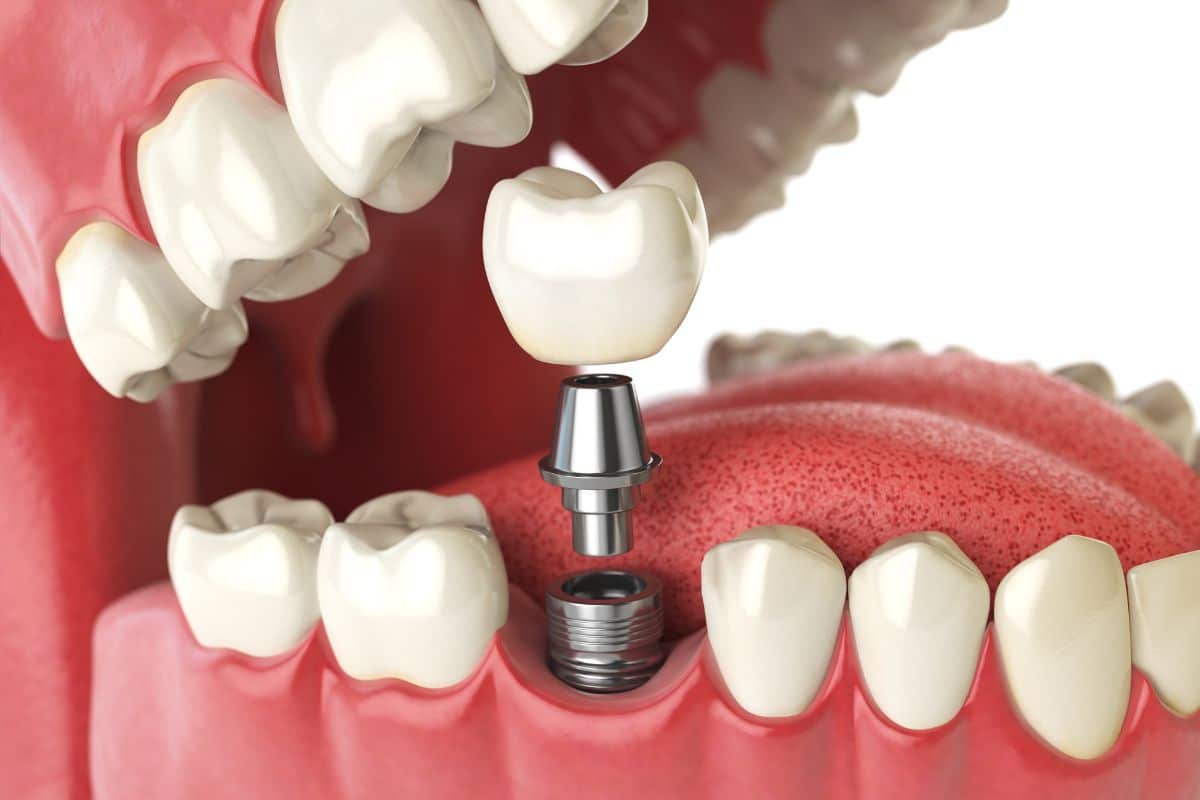
Dental implants are a popular solution for replacing missing teeth, offering a durable and natural-looking alternative to dentures or bridges. However, for an implant to be successful, it needs a solid foundation, which means having enough bone in the jaw to support it. This is where bone augmentation comes into play.
Understanding Bone Augmentation
Bone augmentation, also known as bone grafting, is a procedure that enhances the volume and density of your jawbone, making it possible to place a dental implant in areas where bone might have deteriorated. Over time, due to tooth loss, gum disease, or other factors, the jawbone can shrink or become too weak to hold an implant securely. Bone augmentation helps to rebuild this bone, providing the necessary support for a dental implant.
Why is Bone Augmentation Necessary?
Bone augmentation becomes essential when the jawbone has lost its density or volume, which can occur for several reasons:
- Tooth Loss: When a tooth is missing, the bone around the area begins to resorb or shrink over time because it’s no longer stimulated by chewing forces.
- Gum Disease: Periodontal disease can lead to bone loss, weakening the foundation needed for an implant.
- Infections or Trauma: Past dental infections or injuries can cause significant bone loss, making it difficult to place an implant without augmentation.
Without sufficient bone, placing a dental implant can be risky, leading to complications such as implant failure or misalignment. Bone augmentation ensures that the implant has a strong and stable base, significantly improving the success rate of the procedure.
The Bone Augmentation Process
The process of bone augmentation is typically performed by a dental specialist. Here’s what you can expect during the procedure:
Consultation and Assessment: Your dentist will first assess the condition of your jawbone using imaging techniques like X-rays or CT scans. This helps in determining the extent of bone loss and planning the augmentation procedure.
Choosing the Graft Material: Bone grafts can come from different sources. The most common types include:
- Autografts: Bone taken from another part of your body, usually the chin, hip, or another area of the mouth.
- Allografts: Bone from a human donor, usually obtained through a bone bank.
- Xenografts: Bone from an animal, typically a cow, which is processed and sterilized for safe use in humans.
- Synthetic Grafts: Man-made materials that mimic the properties of natural bone.
- Grafting Procedure: During the procedure, the chosen graft material is placed in the area where bone is needed. This may be done in conjunction with a dental implant procedure or as a separate step. The graft material acts as a scaffold, encouraging new bone growth over time.
- Healing Period: After the graft is placed, it takes several months for the bone to grow and integrate with the existing jawbone. This healing period is crucial for the success of the dental implant.
- Implant Placement: Once the bone has fully integrated and is strong enough, your dentist can proceed with placing the dental implant.
Recovery and Aftercare
Recovery from bone augmentation requires patience and proper care. Here are some tips to help ensure a smooth healing process:
- Follow Your Dentist’s Instructions: Your dentist will provide specific guidelines on how to care for the grafted area. This might include avoiding certain foods, taking prescribed medications, and maintaining good oral hygiene.
- Avoid Smoking: Smoking can significantly slow down the healing process and increase the risk of complications. It’s advisable to quit smoking at least a few weeks before and after the procedure.
- Attend Follow-Up Appointments: Regular check-ups are essential to monitor the healing process and ensure that the graft is integrating well with your natural bone.
Most patients experience only mild discomfort after the procedure, which can be managed with over-the-counter pain medications. Swelling and bruising may occur, but these typically subside within a few days.
Benefits of Bone Augmentation
Bone augmentation offers several benefits that make it a valuable procedure for those considering dental implants:
- Improved Implant Success Rate: With a strong foundation, the chances of implant success are significantly higher, leading to long-lasting results.
- Enhanced Oral Health: By restoring lost bone, bone augmentation helps maintain the natural contours of your face and jaw, preventing further bone loss and preserving your oral health.
- Better Aesthetics: A well-supported implant not only functions better but also looks more natural, contributing to a confident smile.
Is Bone Augmentation Right for You?
If you’re considering a dental implant and have been told that you don’t have enough bone to support it, bone augmentation may be the solution you need. The decision to undergo this procedure depends on several factors, including your overall health, the condition of your jawbone, and your specific dental needs.
A consultation with your dentist will help determine whether bone augmentation is necessary and what type of graft material is best suited for you. It’s important to discuss any concerns you may have and understand the process fully before proceeding.
Conclusion
Bone augmentation plays a critical role in the success of dental implants, especially for those who have experienced bone loss due to tooth extraction, gum disease, or trauma. By rebuilding the bone, this procedure creates a stable foundation for dental implants, ensuring that they function and look just like natural teeth.
At Shelton Dental Excellence, we specialize in providing comprehensive dental care, including bone augmentation for those in need of dental implant. Our experienced team is committed to helping you achieve a healthy, beautiful smile that lasts a lifetime.
Ready to restore your smile? Contact Shelton Dental Excellence today to schedule a consultation and learn more about how bone augmentation can improve your chances of successful dental implants. Let us guide you on the path to better oral health.