1626 Olympic Hwy North Shelton, WA 98584
Oral Cancer: Your Guide to a Healthy Smile
Oral Cancer: Your Guide to a Healthy Smile
Hey there, smile squad! We all know a bright smile lights up a room, but keeping that smile healthy goes beyond just brushing twice a day (although that’s super important too!). Today, we’re diving into a topic that might not be the cheeriest, but it’s definitely one worth talking about: oral cancer.
What is Oral Cancer?
Oral cancer is a general term for cancer that develops anywhere in your mouth, including your lips, tongue, cheeks, gums, and even the back of your throat. While it’s not the most common type of cancer, it’s crucial to be aware of the risk factors and signs so you can keep your smile healthy and happy.
Understanding the Risk Factors
There are a few things that can increase your chances of developing oral cancer. Here are some of the main ones:
- Tobacco Use: This includes cigarettes, cigars, chewing tobacco, and even snuff. No matter how you slice it, tobacco is a major risk factor. It irritates the delicate tissues in your mouth, making them more susceptible to damage and cancer.
- Heavy Alcohol Consumption: Excessive alcohol intake can weaken your immune system, making it harder for your body to fight off infections and potential cancer cells.
- HPV Infection: The human papillomavirus (HPV), the same virus that causes cervical cancer, has also been linked to some types of oral cancer, particularly oropharyngeal cancer (cancer of the back of the throat).
- Sun Exposure: Yep, you read that right! Overexposure to the sun can increase your risk of lip cancer. So, don’t forget the sunscreen – even for your lips.
- Other Factors: A weakened immune system due to chronic illness or medications, a diet low in fruits and vegetables, and a family history of oral cancer can also play a role.
Knowing the Warning Signs: Early Detection is Key
The good news is that oral cancer is often treatable, especially when caught early. So, it’s important to be aware of the warning signs:
- A Mouth Sore That Doesn’t Heal: If you have a sore in your mouth that doesn’t go away after a few weeks, get it checked by a dentist or doctor. Early detection is crucial for successful treatment.
- Lumps or Bumps in Your Mouth or Neck: These could be a sign of cancerous tumors. Early detection is key, so don’t hesitate to get these checked out by a professional.
- White or Red Patches on Your Gums, Tongue, or Inside Your Cheeks: These patches can sometimes be precancerous, so it’s best to have them looked at by a dentist or doctor. Early intervention can prevent them from developing into cancer.
- Difficulty Chewing, Swallowing, or Speaking: These issues can be caused by oral cancer, so don’t ignore them. Early diagnosis can lead to treatment options that preserve these functions.
- Numbness in Your Mouth or Tongue: This can be another potential sign of oral cancer, particularly in the later stages.
This list isn’t exhaustive, and any unusual changes in your mouth warrant a visit to your dentist or doctor. Early detection is key for successful treatment.
Diagnosis and Treatment: Getting the Help You Need
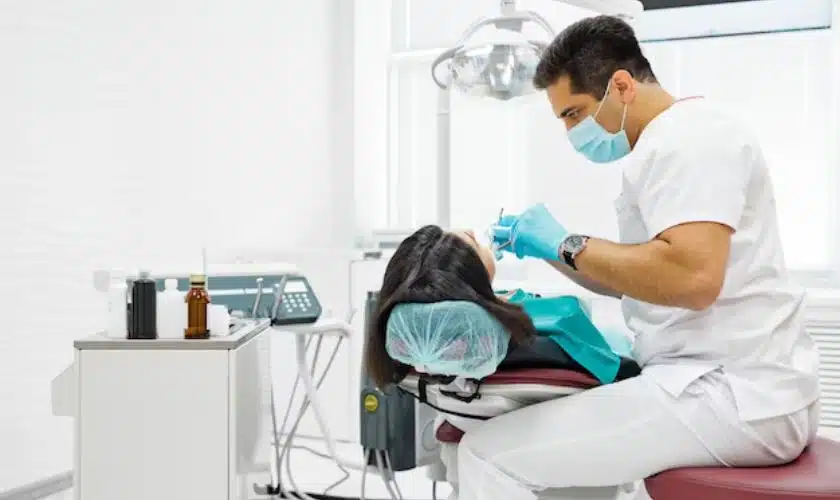
If you experience any of the warning signs, your dentist or doctor will likely perform a physical exam of your mouth and may recommend further tests. These might include:
- Oral Exam: A visual inspection of your mouth, checking for lumps, bumps, and any suspicious lesions.
- Biopsy: If any areas of concern are identified, a small tissue sample might be taken for further examination under a microscope to determine if it’s cancerous.
- Imaging Tests: Depending on the situation, imaging tests like X-rays, CT scans, or MRIs might be used to assess the extent of the cancer, if present.
The type of treatment you receive will depend on the stage and location of the cancer. This could involve:
- Surgery: To remove the cancerous tissue and a margin of healthy tissue around it.
- Radiation Therapy: Using high-energy X-rays to target and destroy cancer cells.
- Chemotherapy: Powerful medications to kill cancer cells throughout the body.
- Targeted Therapy: Newer drugs that specifically target the vulnerabilities of cancer cells.
- Reconstructive Surgery: After surgery to remove cancerous tissue, this can help restore the function and appearance of your mouth and face.
Shining a Light on Prevention
While there’s no guaranteed way to prevent oral cancer entirely, you can significantly reduce your risk by adopting healthy habits:
- Kick the Tobacco Habit: If you use tobacco products, quitting is the single biggest step you can take to reduce your risk of oral cancer. Talk to your doctor about resources and support groups to help you quit.
- Drink Alcohol in Moderation: Limiting your alcohol intake can help lower your risk of oral cancer.
- Get Regular Dental Checkups: Schedule regular checkups with your dentist, and don’t be shy about voicing any concerns you have. Early detection is crucial for successful treatment.
- Protect Your Lips from the Sun: Use a lip balm with SPF to shield your lips from harmful UV rays.
- Eat a Healthy Diet: Fill your plate with plenty of fruits and vegetables for essential vitamins and minerals that support overall health.
- The HPV Vaccine: For younger individuals, the HPV vaccine can help prevent infection with strains linked to some types of oral cancer.
Keep Your Smile Bright
By following these tips and staying informed about oral cancer, you can empower yourself to maintain a healthy smile. Remember, early detection is key! If you notice any changes in your mouth, don’t hesitate to schedule a visit with your dentist or doctor.
Spread the Smile, Spread Awareness
Let’s work together to raise awareness about oral cancer. Share this information with your friends and family, and encourage them to prioritize their oral health. A healthy smile is a happy smile, and that’s something worth shining a light on!