1626 Olympic Hwy North Shelton, WA 98584
What to Eat After Wisdom Teeth Removal?
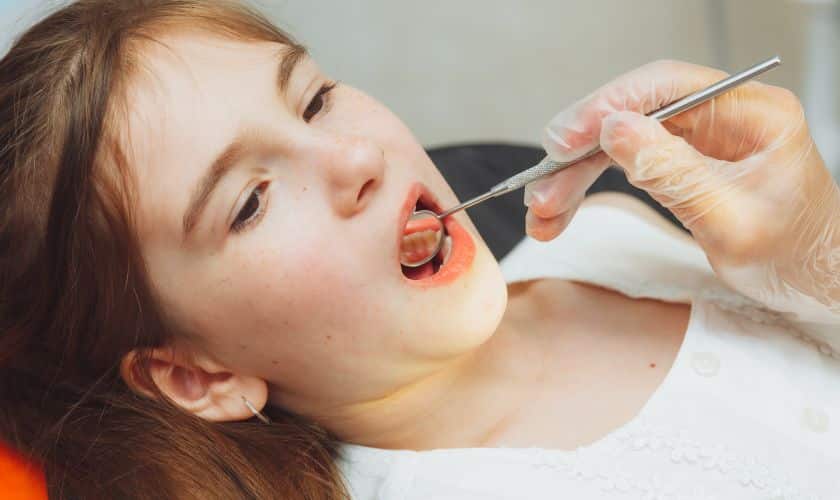
What to Eat After Wisdom Teeth Removal?
Wisdom teeth removal is a common dental procedure that many people undergo at some point in their lives. After the surgery, taking care of your mouth is crucial for a smooth recovery. One of the most important aspects of this care is your diet. Knowing what to eat after wisdom teeth removal can make a big difference in your healing process. Choosing the right foods will help reduce pain, avoid complications, and speed up recovery.
Why Your Diet Matters Post-Surgery
After wisdom teeth removal, the area around the surgery site is sensitive. Your mouth needs time to heal, and eating the wrong foods could irritate the wound or even lead to infection. Soft, easy-to-chew foods are essential during this period. They reduce strain on the surgical site and allow your body to focus on recovery rather than digestion.
The right food choices also help you maintain energy and get the nutrients you need, without causing discomfort. Since your ability to chew will be limited, it’s best to plan a post-surgery diet ahead of time to avoid unnecessary discomfort or complications.
Soft Foods for the First Few Days
During the first 24 to 48 hours after surgery, it’s important to stick to soft and liquid foods. Avoid anything that requires chewing or might irritate the surgical site. These foods will not only be easier to eat but will also help you avoid complications like dry socket, a painful condition that occurs when the blood clot at the surgery site becomes dislodged.
Here are some of the best soft foods to consider during the first few days:
- Broths and Soups
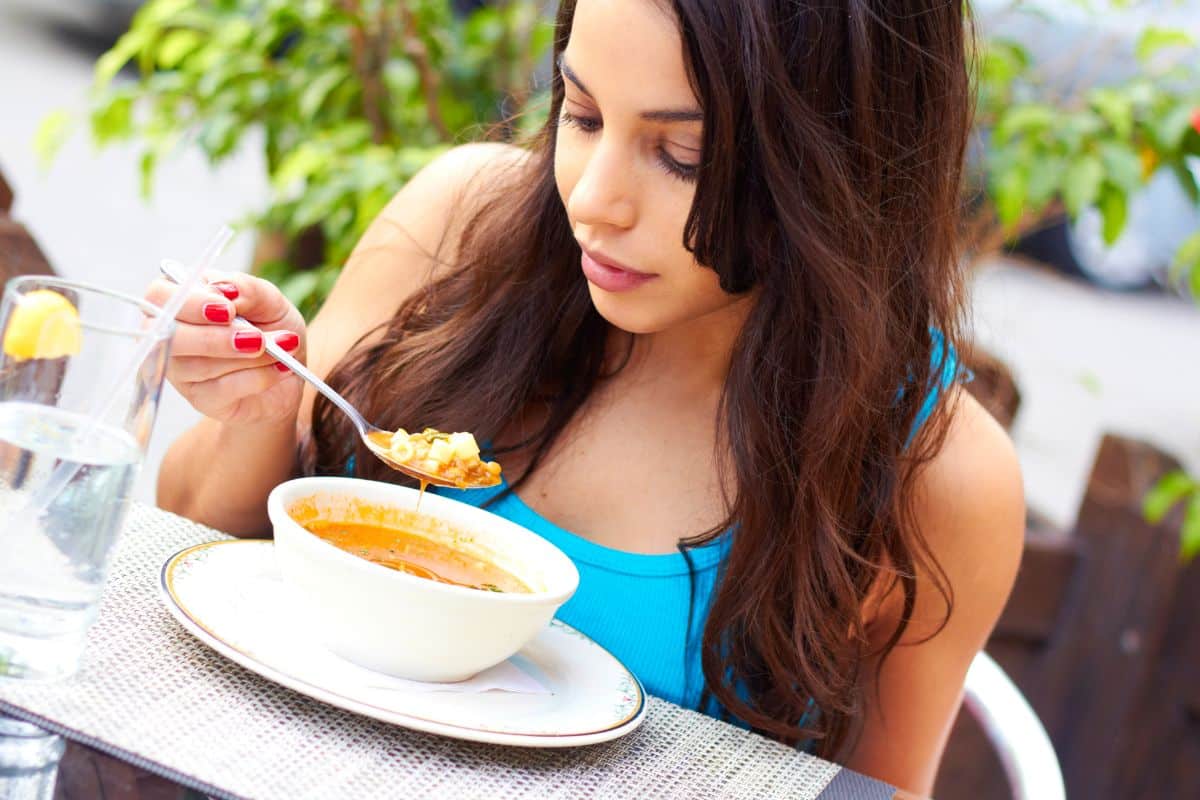
Warm (not hot) broths and soups are ideal during the initial recovery stage. They are hydrating and provide essential nutrients. You can opt for chicken, vegetable, or bone broth. Ensure they are smooth and don’t contain any solid chunks, which might irritate the healing area.
- Applesauce
Applesauce is a great option because it’s easy to eat, smooth, and gentle on the mouth. Apples are also high in vitamins, which can help boost your immune system during recovery.
- Yogurt
Plain, unsweetened yogurt is another soft food that’s easy on your teeth and provides probiotics, which are good for digestion and immune health. Avoid yogurts with chunks of fruit or granola as these can get stuck in the wound or cause discomfort.
- Smoothies
Smoothies are a perfect way to pack in nutrients while staying within the soft food guideline. Blend soft fruits like bananas and berries with yogurt or milk for a filling, nutritious option. Avoid using straws, though, as sucking can dislodge the blood clot and cause dry socket.
- Mashed Potatoes
Mashed potatoes are soft, filling, and versatile. You can eat them warm and season them lightly for added flavor. Just be sure not to serve them too hot, as heat can irritate the surgical site.
Transitioning to Soft Solids
After the first few days, you can slowly begin incorporating slightly more solid foods into your diet. However, it’s still important to avoid hard, crunchy, or sticky foods that might cause problems.
- Scrambled Eggs
Eggs are a soft and protein-rich food that’s easy to prepare and gentle on your healing gums. Scrambled eggs, in particular, are a great choice as they are light, fluffy, and easy to chew.
- Oatmeal
Oatmeal can be a good meal once you’re ready to start adding soft solids back into your diet. Cook it until it’s very soft, and consider using milk instead of water for added nutrients. Avoid adding nuts or seeds that can get stuck in the surgical site.
- Cottage Cheese
Cottage cheese is soft and rich in protein, making it an excellent food for recovery. You can pair it with soft fruits like peaches or blend it into a smoothie for extra nutrition.
- Pasta
Well-cooked pasta, especially small shapes like macaroni, can be a comforting and filling meal after a few days of recovery. Be sure to cook the pasta until it’s very soft, and avoid overly spicy or acidic sauces that could irritate the healing area.
Foods and Drinks to Avoid
While it’s important to focus on what you can eat, it’s just as crucial to know which foods to avoid during recovery. Certain foods can cause irritation, pain, or complications such as infection or dry socket. Here are some to avoid:
- Crunchy or Hard Foods
Chips, nuts, seeds, and hard bread are off-limits until you’re fully healed. These foods can get stuck in the surgical site and irritate the healing tissue.
- Spicy Foods
Spicy foods can cause discomfort and irritation in the sensitive areas of your mouth. It’s best to avoid them until your mouth is fully healed.
- Citrus Fruits
Citrus fruits and juices, such as oranges or lemons, can sting the surgical site and cause discomfort. Stick to less acidic foods while you recover.
- Alcohol
Alcohol should be avoided during recovery, as it can delay healing and increase the risk of infection. It may also interact with any pain medications you are taking, which can be dangerous.
- Straws
Using a straw can dislodge the blood clot that forms in the socket after your tooth is removed. This can lead to dry socket, which is very painful and can slow down the healing process. Stick to drinking from a cup or using a spoon for liquids.
Conclusion
After wisdom teeth removal, the foods you eat play a vital role in how quickly and smoothly you recover. Soft, nutritious foods help protect the surgical site while giving your body the fuel it needs to heal. Avoiding hard, spicy, and acidic foods is just as important to prevent irritation or complications. By carefully selecting what you eat and consulting with your dentist, you can ensure a faster and more comfortable recovery.
If you have any concerns or questions about your recovery process, don’t hesitate to reach out to your dental care provider. They can offer guidance and help make sure you are on the right track for healing.