1626 Olympic Hwy North Shelton, WA 98584
When To Call An Emergency Dentist: Warning Signs You Shouldn’t Ignore
When To Call An Emergency Dentist: Warning Signs You Shouldn’t Ignore
Welcome To Our Emergency Dentistry Blog! Learn When To Call An Emergency Dentist And Recognize Signs. Explore Dental Emergencies And Why Prompt Treatment Matters.
What is a Dental Emergency?
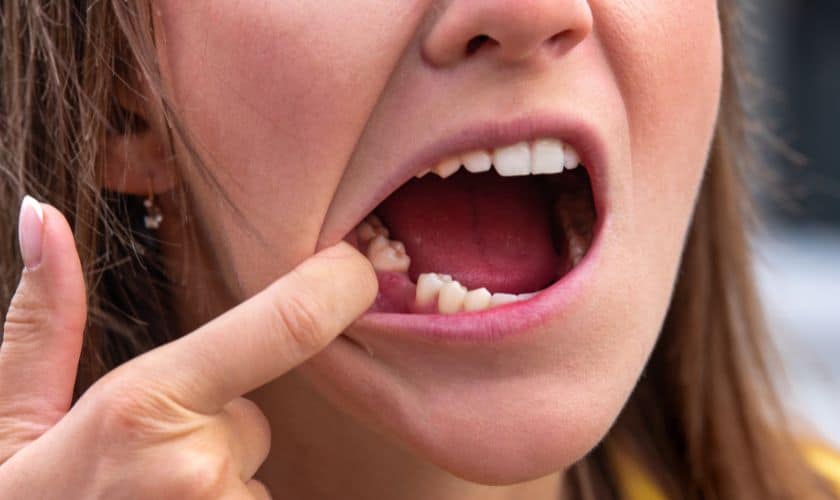
What constitutes a dental emergency? It’s important to understand that not all dental issues require immediate attention. However, there are certain situations where seeking prompt treatment from an emergency dentist is crucial.
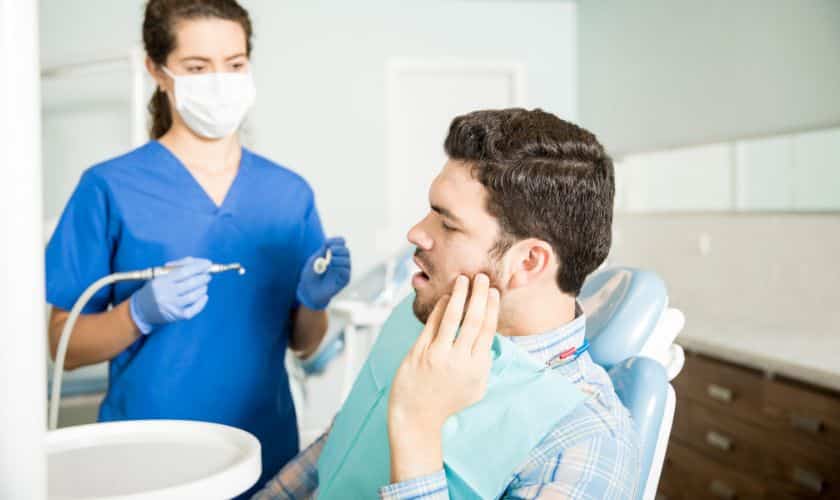
One common dental emergency is severe tooth pain. If you experience intense and persistent toothache may indicate an underlying infection or nerve damage that needs immediate attention.
Another sign to watch out for is oral bleeding. While minor bleeding after brushing or flossing can be normal, excessive bleeding that doesn’t subside should not be ignored. It could be indicative of gum disease or a more serious issue such as trauma to the mouth.
A knocked-out tooth is also considered a dental emergency. Time is of the essence in this situation, as there’s a higher chance of saving the tooth if you seek treatment within an hour of the incident.
Swelling or inflammation in the face, gums, or jaw can signal a dental emergency. It could be caused by an abscessed tooth or other oral infections that require immediate intervention.
Additionally, any injury to the mouth resulting in cracked teeth or broken restorations like fillings or crowns should be addressed promptly by an emergency dentist.
Common warning signs that require immediate attention
- Pay attention to dental warning signs; some require immediate attention.
- Severe, unrelenting toothache may signal an infection or abscess.
- Swollen gums can indicate gum disease or infection, needing prompt treatment.
- Sudden mouth trauma, like broken or knocked-out teeth, warrants urgent evaluation.
- Other red flags: excessive mouth bleeding, unexplained loose teeth, persistent bad breath with pain or swelling, unusual gum or cheek growths.
- Prioritize your oral health; seek immediate help from an emergency dentist to prevent future complications.
The importance of seeking treatment for dental emergencies
Prompt treatment for dental emergencies is paramount in ensuring the best possible outcome for oral health. When faced with a dental emergency, time is of the essence. Ignoring or delaying treatment can lead to severe pain, infection, and even permanent damage to your teeth and gums.
One reason seeking immediate care is crucial is that many dental emergencies involve intense pain. Whether it’s an excruciating toothache or a broken tooth causing sharp discomfort, waiting too long before seeing an emergency dentist can prolong your suffering unnecessarily.
Another important factor to consider is that quick intervention can prevent further complications. Dental issues such as abscesses or infections can quickly spread if left untreated, potentially affecting surrounding teeth and spreading throughout the body via the bloodstream.
Seeking prompt treatment also increases the chances of saving a damaged tooth. In cases where a tooth has been knocked out or fractured, getting professional help within one hour greatly enhances its chances of being reimplanted successfully.
Acting quickly during a dental emergency prioritizes overall well-being. Oral health affects general health, so don’t neglect urgent dental issues. Prevention through good oral hygiene and regular check-ups is key to avoiding emergencies.
Tips to Prevent Dental Emergencies
1. Practice regular oral hygiene: Brush your teeth at least twice daily with fluoride toothpaste and floss daily to remove plaque and prevent tooth decay.
2. Visit your dentist regularly: Regular check-ups can help identify any underlying issues before they become emergencies. Your dentist can also provide professional cleanings that remove stubborn tartar buildup.
3. Wear protective gear during sports: If you participate in contact sports or activities that pose a risk of dental injury, always wear a mouthguard to protect your teeth from impact.
4. Avoid chewing on hard objects: Chewing on ice, pens, or other hard objects can cause cracks or fractures in your teeth. Stick to eating foods that are safe for your teeth.
5. Be cautious when eating sticky or crunchy foods: Sticky candies and crunchy snacks like popcorn kernels can get stuck between your teeth or cause damage if bitten down too forcefully.
6. Don’t use your teeth as tools: Your teeth should be used for chewing food only, not as tools for opening packages or bottles, which may result in chipped or broken teeth.
7. Limit sugary foods and drinks: Consuming excessive sugar increases the risk of tooth decay and cavities. Opt for healthier alternatives whenever possible and practice moderation with sweet treats.